Practical Steps for Organizing Local Events
Organizing local events can be both fulfilling and challenging. Many community organizers report that having a clear plan and understanding the essential steps can make the process smoother. This article outlines practical steps to help you successfully coordinate local events in your area.
Understanding the Basics of Event Organization
Before diving into the specifics, it’s important to establish a solid foundation for your event planning. According to research from the Event Planning Institute, effective planning typically requires at least 4-6 weeks of preparation, especially for larger events. Understanding the why behind each step can help streamline your efforts.

Key Steps to Consider
- Define Your Objectives: Clearly outline what you hope to achieve with your event. This can include community engagement, fundraising, or awareness raising. Setting specific goals will guide your planning process.
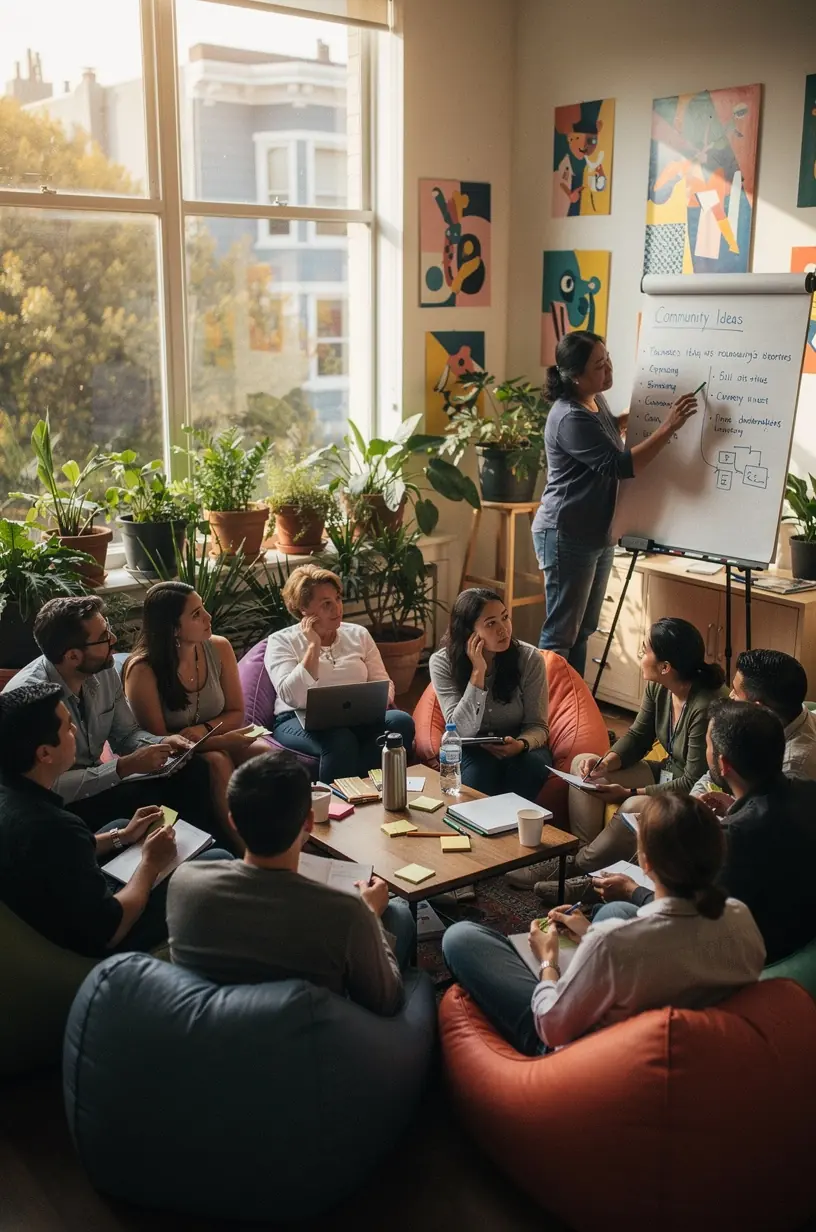
- Assemble Your Team: Gather a group of volunteers or staff who are passionate about the cause. Research suggests that collaborative efforts often yield better results, as diverse skill sets can enhance the overall execution.
- Budget Wisely: Create a budget that covers all anticipated expenses, such as venue rental, permits, and promotional materials. Experts recommend allocating an additional 10-15% for unexpected costs, as this helps avoid financial strain.
Choosing the Right Venue
Selecting an appropriate venue is crucial for the success of your event. Factors to consider include accessibility, capacity, and amenities. According to the American Planning Association, venues that are easy to access often see higher attendance rates, especially in urban areas like those in Canada.
Promoting Your Event
Effective promotion is key to attracting attendees. Research indicates that multi-channel marketing approaches, which include social media, local press, and community boards, can significantly increase visibility. Use engaging visuals and clear messaging to convey your event’s value.
"A well-designed promotional strategy can enhance community involvement and interest." - Local Marketing Expert
Execution and Follow-Up
As your event date approaches, ensure that everyone on your team is clear on their responsibilities. A well-defined timeline can facilitate smooth execution. After the event, gather feedback from attendees and team members to assess what worked well and what could be improved in future events. According to event experts, this reflective practice can enhance the planning process for subsequent events.
Conclusion
Organizing local events requires careful planning and consideration of various factors. By following these practical steps and acknowledging the effort needed, you can create engaging and successful community gatherings. Remember that while challenges may arise, being prepared can significantly improve your experience and outcomes.