Analyzing Trends in Sustainable Urban Living
Sustainable urban living has emerged as a critical focus in modern cities, especially in Canada, where urbanization rates continue to rise. This article delves into the latest trends, practical insights, and challenges associated with creating environmentally friendly urban spaces.
Understanding Sustainable Urban Living
Sustainable urban living refers to practices that promote ecological health, social equity, and economic viability in urban environments. According to research from the United Nations Habitat, sustainable cities are designed to minimize waste, maximize resources, and enhance the quality of life for all residents. Experts recommend incorporating green spaces, efficient public transport, and sustainable building practices as integral components of urban planning.

"The future of our cities hinges on sustainability; it is not just an option but a necessity." - Urban Planning Expert
Key Trends Shaping Sustainable Urban Living
Several trends are currently shaping the landscape of sustainable urban living in Canada:
- Green Infrastructure: Cities are increasingly integrating green roofs, rain gardens, and permeable pavements to manage stormwater and enhance biodiversity. Studies show that green infrastructure can reduce urban heat islands significantly.
- Smart Mobility: An emphasis on public transport, cycling paths, and pedestrian-friendly zones is gaining traction. According to a report by Transport Canada, cities that invest in smart mobility tend to see a reduction in traffic congestion and air pollution.
- Energy Efficiency: New building codes often require energy-efficient designs and materials. Research indicates that buildings designed with energy efficiency in mind can reduce energy consumption by 30% compared to traditional structures.
Practical Applications for Residents
For residents looking to contribute to sustainable urban living, consider the following practical applications:
- Adopt Sustainable Practices: Implement small changes in your daily routine, such as reducing water usage and recycling more effectively. These practices often result in noticeable improvements over time.
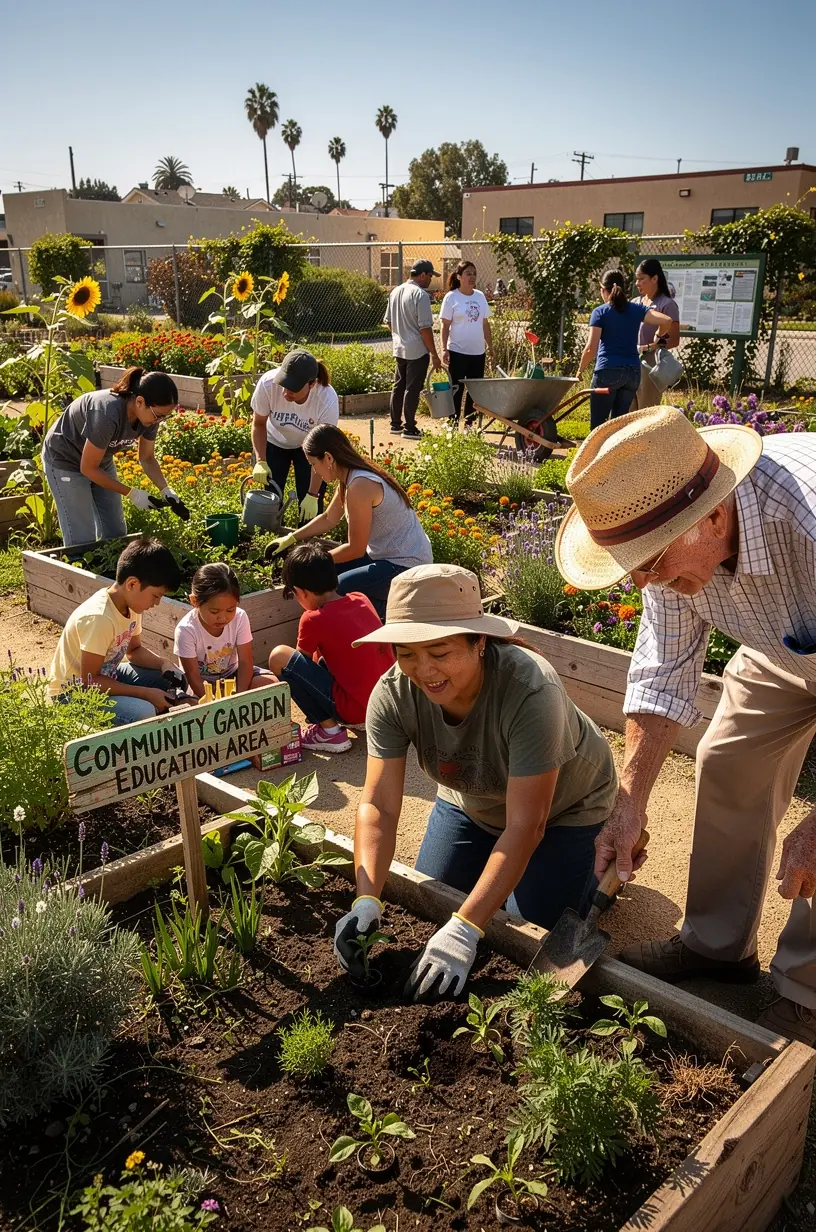
- Engage with Local Initiatives: Participate in community clean-up days or local urban gardening projects. Engaging with these initiatives not only contributes to sustainability but also fosters a sense of community and shared responsibility.
- Advocate for Policy Change: Many cities have platforms for residents to voice their opinions on urban planning. Advocating for policies that prioritize sustainability can lead to significant changes that enhance community well-being.
Challenges and Limitations
While the shift towards sustainable urban living is promising, it is essential to acknowledge certain challenges:
- Cost Barriers: Many sustainable solutions can require higher upfront investments that may not be feasible for all communities, especially in economically disadvantaged areas.
- Time Commitment: Transitioning to sustainable practices often involves a learning curve and requires ongoing commitment. This process can take time, and results typically appear over several months.
- Policy and Regulation: Changes in urban planning policies can be slow and bureaucratic, often limiting immediate action on sustainability initiatives.
Conclusion
In conclusion, sustainable urban living is not merely a trend but a vital necessity for future generations. By understanding current trends and engaging in practical applications, residents can significantly impact their communities and contribute to a more sustainable future. While challenges exist, the collective efforts of individuals, communities, and policymakers can lead to effective solutions that promote healthier and more resilient urban spaces.
Learn More