How Neighborhood Associations Foster Connection
Neighborhood associations play a crucial role in building community ties, promoting local involvement, and creating a sense of belonging. By fostering connection among residents, these associations can enhance neighborhood livability and encourage civic engagement. This article explores the various ways in which neighborhood associations contribute to community connection and cohesion in California.
Understanding the Role of Neighborhood Associations
Neighborhood associations are typically composed of residents who come together to address community issues, organize events, and improve the quality of life in their area. According to a report by the National Neighborhood Coalition, communities that actively engage in association activities often report higher levels of social capital, which is essential for nurturing connections among residents.
"Research indicates that neighborhoods with active associations experience lower crime rates and improved community satisfaction."
Building Relationships Through Shared Activities
One of the primary ways that neighborhood associations foster connection is through organized events and activities. These gatherings create opportunities for residents to meet and build relationships in a relaxed setting. Examples of common activities include:
- Community Clean-Up Days: These events not only beautify the neighborhood but also encourage teamwork and collaboration.
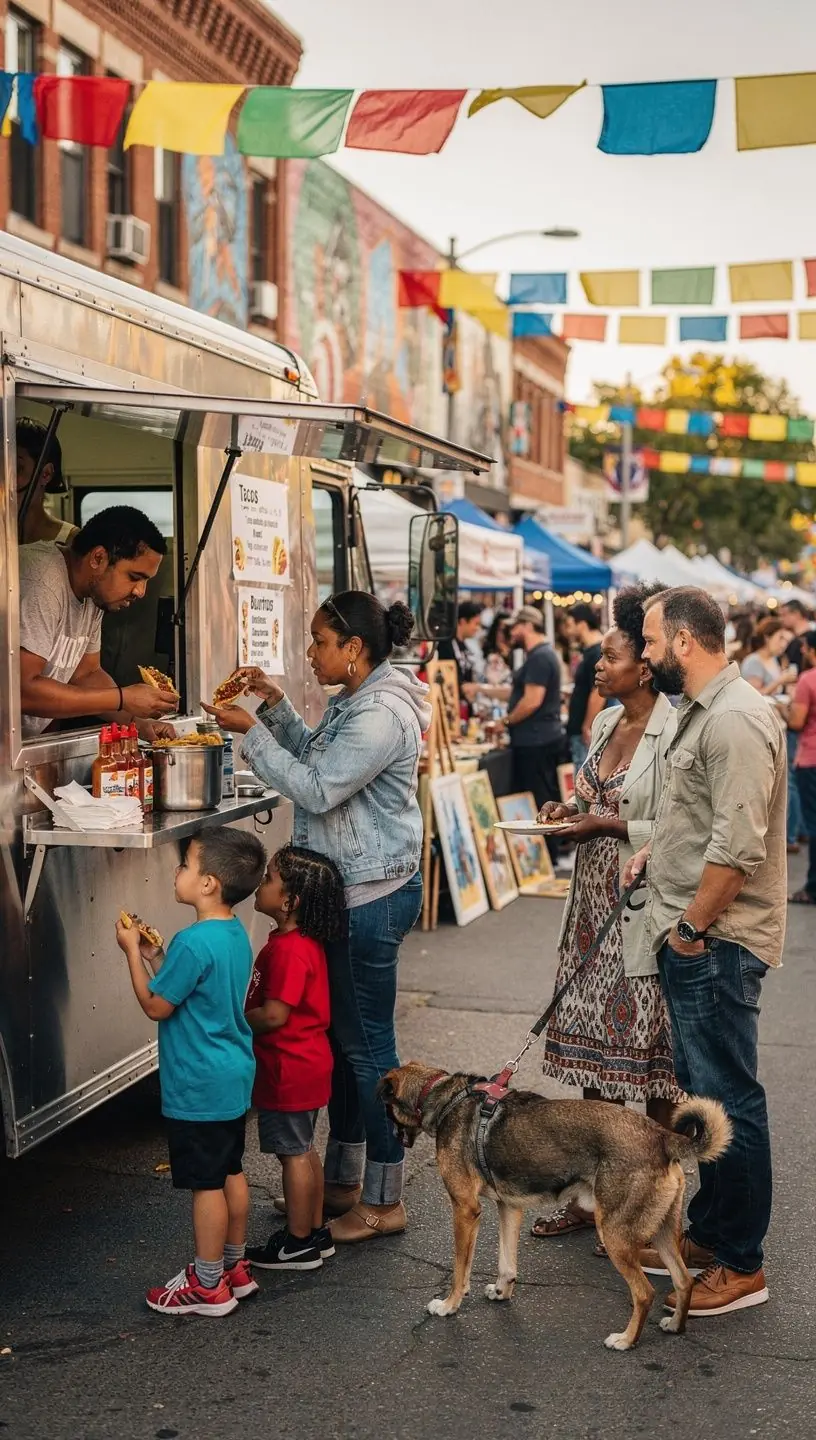
- Seasonal Festivals: Celebrations like block parties or holiday events often attract a diverse group of people, strengthening community bonds.
- Workshops and Classes: Educational offerings can help residents develop skills and knowledge while promoting interaction.
Experts recommend that associations diversify their activities to cater to various interests and age groups, which can help ensure broader participation and engagement.
Encouraging Civic Engagement and Responsibility
Neighborhood associations also play a pivotal role in fostering civic engagement. By promoting participation in local decision-making processes, residents gain a sense of ownership over their community. This can involve:
- Hosting Community Meetings: Regular meetings where residents can voice concerns and propose solutions encourage active participation.
- Advocating for Local Issues: Associations often represent the collective voice of the neighborhood, working with city officials on matters that affect residents.
- Providing Resources: Sharing information about local resources, such as legal aid or social services, can empower residents to take action.
According to the California State Association of Counties, engaged communities tend to experience improved public services and better responsiveness from local government.
Challenges and Considerations
While neighborhood associations can be effective in fostering connections, they are not without challenges. Establishing a successful association typically requires time and commitment. Organizing events and meetings can take considerable effort, and sustaining interest over time can be challenging.
Many associations face hurdles such as:
- Limited Participation: Attracting residents to meetings and events can be difficult, especially in diverse communities.
- Resource Constraints: Funding and volunteer availability can limit the scope of activities and programs.
- Conflict Resolution: Differences in opinion can arise, and addressing these issues requires strong leadership and communication.
Addressing these challenges often involves establishing clear goals, fostering open communication, and encouraging a culture of respect and inclusion within the association.
Conclusion
Neighborhood associations can effectively foster connections among residents, encouraging engagement, and enhancing community livability. While there are challenges to overcome, the potential benefits—such as improved social ties, civic participation, and enhanced quality of life—make it a worthwhile endeavor for residents in California. By actively engaging with their neighborhood associations, residents not only strengthen their connections but also contribute to a sustainable and vibrant community.
Learn More